
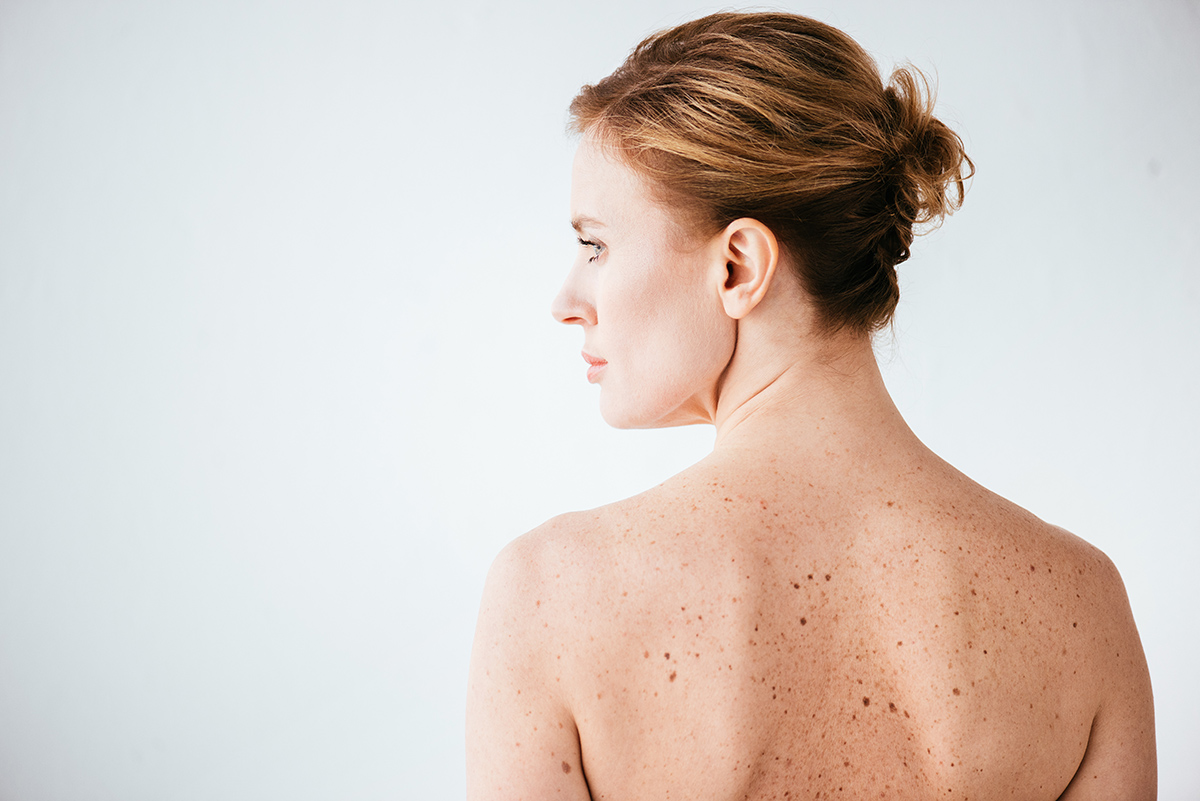
Skin cancer awareness month falls in May, the perfect time to spread awareness about melanoma. According to NICE, Melanoma skin cancer incidence rates in the UK have more than doubled (140%) since the early 1990s. Awareness is absolutely key, so people can spot early warning signs and learn how to take steps to prevent melanoma. Let’s look at this more closely.
What is Melanoma?
Melanoma is a type of skin cancer, and is actually the fifth most common cancer in the UK. In fact, according to Cancer Research UK, there are around 19,392 new cases of melanoma skin cancer each year in the UK (2019–2021/22). It’s usually considered the most dangerous form of skin cancer because it grows quickly and can spread to other parts of the body. The leading cause of melanoma is ultraviolet light, emitted by sources such as the sun and sunbeds. However, there are other factors that can increase the risk of melanoma too, such as a family history of skin cancer and certain medical conditions.
What Are the Early Detection Signs?
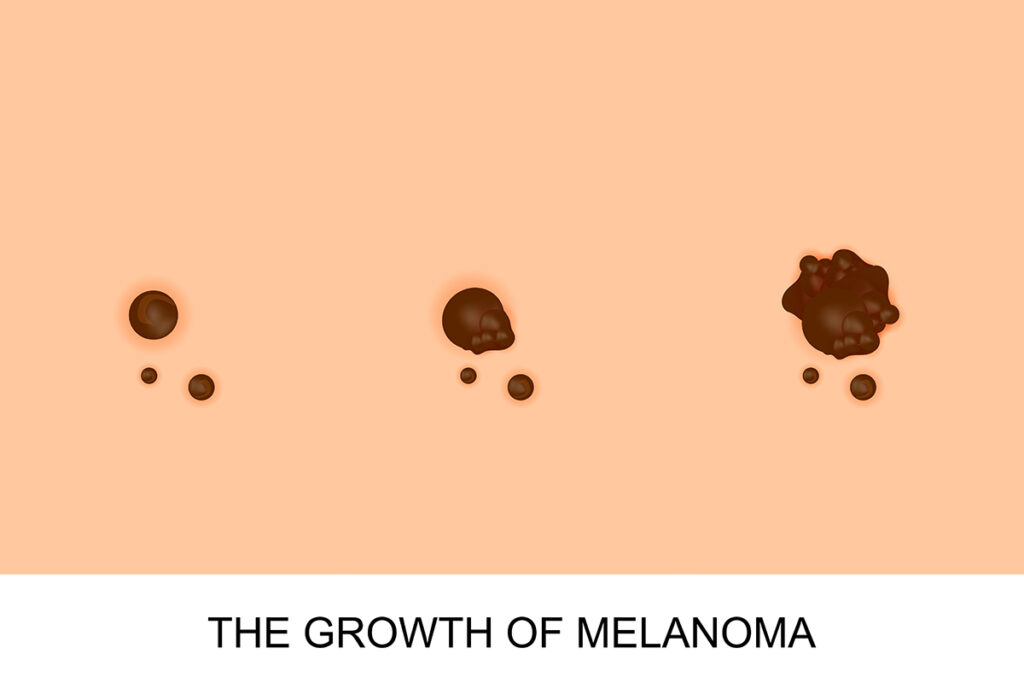
f melanoma is caught in the early stages, the chances of successful treatment increase. New moles or moles that have changed in appearance, such as shape, size, colour, or texture, can be a sign of melanoma. To spot signs of melanoma in a mole, the ABCDE method can be used:
Asymmetry: One half of the mole doesn’t match the other half.
Border: The edges of the mole aren’t rounded and are more irregular or blurred.
Colour: The mole is uneven or has different shades, such as brown, black, red, and white.
Diameter: The mole is larger than 6mm. Melanoma moles can be smaller, but this is a common warning sign.
Evolution: Changes in the appearance of a mole, such as shape, colour, size, and texture.
Other signs of potential melanoma can include a dark band under the nail that isn’t due to injury and a sore that won’t heal.
Prevention Tips
Approximately 86% of melanoma skin cancer cases in the UK are preventable. Most cases of melanoma are caused by UV overexposure due to sunlight or sunbeds, which is why reducing UV exposure is so important. Babies’ and children’s skin is a lot more sensitive compared to adult skin, so it’s important to ensure they’re protected from overexposure too. Here are some prevention tips:
- Be careful when UV light is strongest: Take extra care between 11 am and 3 pm, when UV light is at its peak in the UK. During these times, it’s best to sit in the shade if you’re outside and avoid staying out in the sun for too long.
- Wear suncream: Look for a higher SPF, as this allows fewer UVB rays (the ones that cause sunburn) to reach your skin. While no suncream can block 100% UVB rays, SPF 30 blocks about 97% and SPF 50 blocks about 98%. It’s also important to choose a suncream that protects against UVA rays, as they can cause sunspots, wrinkles, and increase the risk of cancer. You can do this by looking out for four or five stars on suncream bottles.
- Wear sun-protective clothing: Rather than relying solely on suncream, you should wear sun-protective clothing too. Sunhats reduce UV rays reaching your head, UPF clothing is designed to block UVA and UVB rays from reaching your skin, and sunglasses shield your eyes from bright light. When choosing sunglasses, look out for UV400, as these block 99% to 100% of ultraviolet radiation.
- Avoid sun beds: These emit UV radiation, which can damage your skin and lead to cancer. Sunbeds are considered a Group 1 carcinogen, meaning they are known to cause cancer.
Supporting Someone’s Mental Health During a Diagnosis
Supporting cancer at home involves more than practical care; emotional support can also make a big difference during a diagnosis. People who are newly diagnosed with skin cancer may feel a range of emotions, from fear and anxiety to confusion and frustration. Having a support system around them, from close friends to family, can make emotionally navigating their diagnosis just that little bit easier. Here are some tips:
- Ask if there’s any support they’d find useful. Sometimes just asking can give you all the information you need.
- Listen without offering solutions unless they ask you to. Validating their emotions is usually one of the most important things you can do to help them feel heard and understood.
- In some cases, encouraging professional emotional support might be helpful, allowing them to learn coping strategies and access ongoing support.
How to Spread Awareness
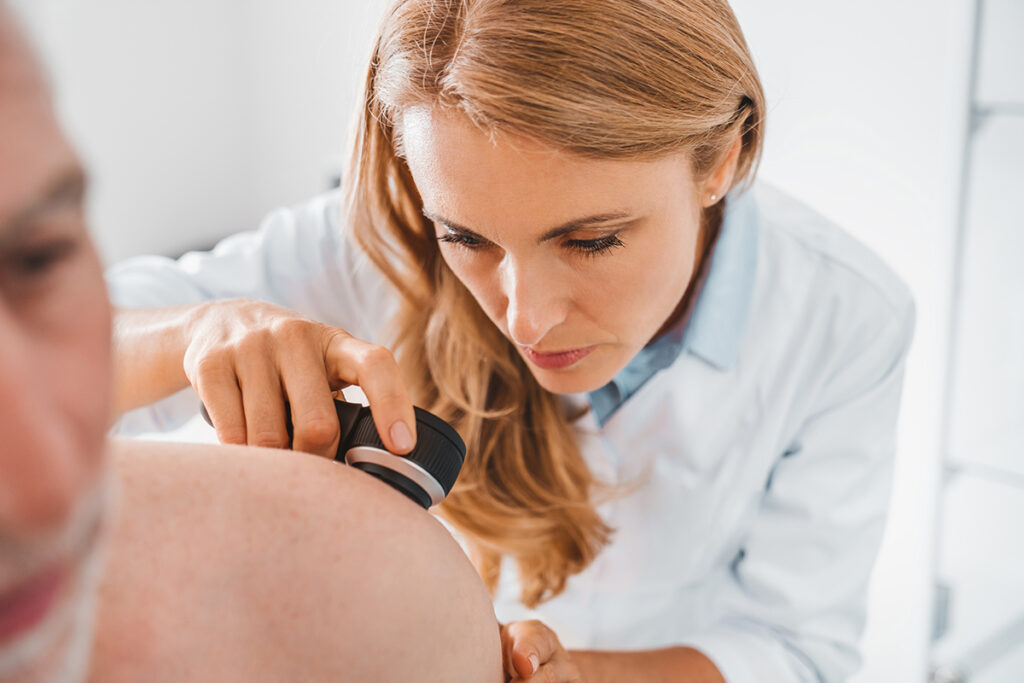
This skin cancer awareness month, there are several ways to get involved. This includes:
- Posting on social media: Reposting facts from reputable accounts and using skin cancer-related hashtags are great ways to spread awareness.
- Get involved in campaigns: For example, #SkinCheckChallenge™, launched by the Skin Cancer Foundation, involves checking your skin from head to toe for anything unusual and posting a video or photo online.
- Read people’s personal stories: This allows you to learn about their diagnosis, and learn something which you didn’t know before, maybe even something that could save your life.
Melanoma-Me
Melanoma- me supports patients and their families who are affected by melanoma and skin cancer through counselling and practical support. Our team of 10 counsellors all have a high level of awareness of Melanoma/skin cancer, and the effects a diagnosis and the aftermath can have on patients and their loved ones. To learn more about the services we have available, visit our website.
Written by
Rosie Buckley